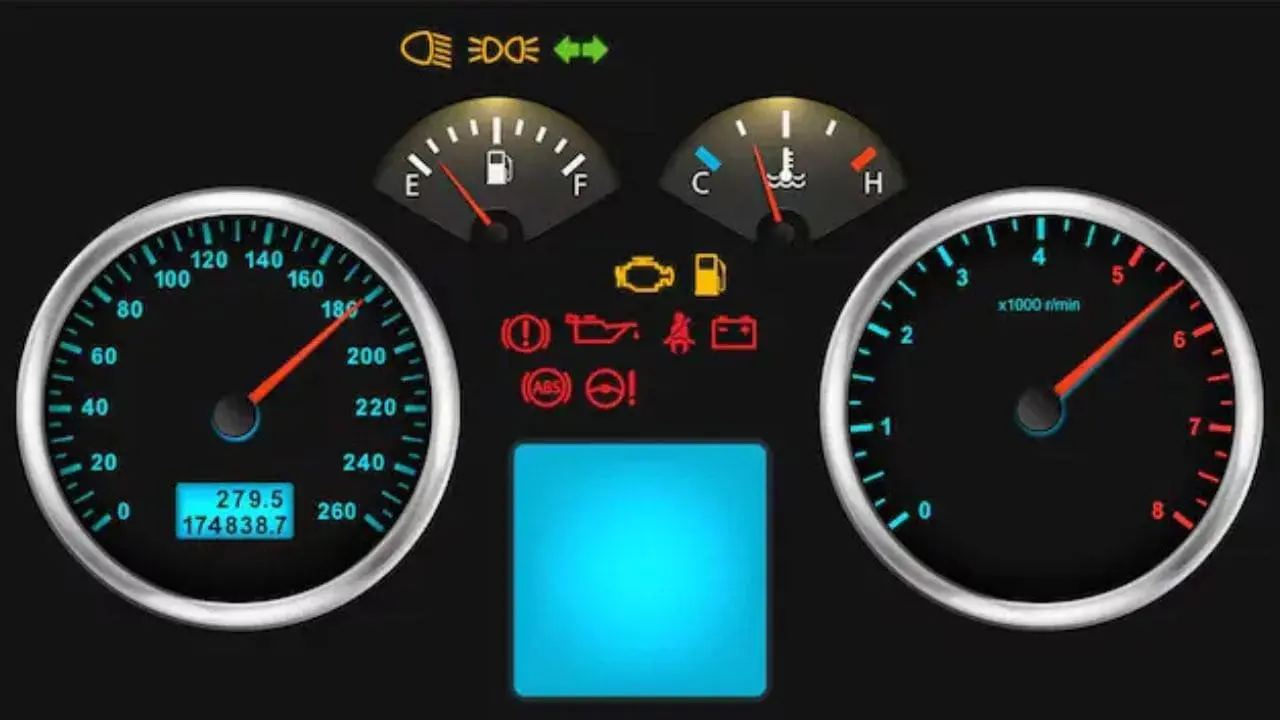
If you are driving and see a luminous light on the car dashboard, you may become anxious; however, this is not something to panic about. It’s only the car dashboard warning lights. These lights are merely reminders and a signal that calls an immediate alarm to consult with a car mechanic in Perth.
Thus, neglecting such lights can cause severe problems, and it is preferable to solve the issue in advance.
The Importance of Dashboard Warning Lights
Dashboard lights are overwhelming to most car owners since they have a lot of symbols, which are easy to understand but complex to understand, and some are baffling. However, these warnings are included in every new car and a reason why manufacturers include them. Dashboard lights help in:
1. Stopping failures by notifying the time of the malfunctions. 2. It helps to signalling the driver about the problems with brakes, airbags and steering. 3. Extending the life of your vehicle by reminding you to service your vehicle. 4. Saving money by preventing issues that need expensive repairs.
Even the slightest warning sign may result in the engine malfunction, overheating, brake loss, and other severe outcomes, which may be disregarded. By knowing them, you can consult with a car mechanic appropriately and with confidence.
Simple Car Dashboard Warning Lights and What They Signify
The following shows a proper order of the most common dashboard lights, their meaning, and what you should do.
1. Check Engine Light
The check engine light is among the most misinterpreted lights on the dashboard. It can be a minor issue, such as a loose fuel cap, or more serious in things like engine misfires or ineffective oxygen sensors. The onboard computer has noticed that there is something wrong with the engine or the emissions in your car when this light comes on.
In case it is flashing, then it needs to be attended to. When it is regular, then you also ought to have the vehicle diagnosed. Failure to heed this light may result in low performance, increased fuel usage and costly maintenance in the long run. Withmajor car service in Perth, mechanics can diagnose the problem in a minute and take the appropriate measures.
2. Oil Pressure Warning Light
This light resembles an old-fashioned oil can and indicates a decrease in oil pressure. When the pressure of oil in your engine is low, it is possible that your engine is not getting enough lubrication. When you drive on, the friction is intensified, and this may lead to damaging to the engine or even the engine may fail altogether.
On receiving this warning, pull over in a safe way and switch off the engine. Test the amount of oil with a dipstick. When the oil is low, refilling it can help in the short term, but the light can also mean a leak, a broken oil pump or a broken pressure sensor. A car mechanic in Perth should check the system as soon as possible.
3. Battery Charge Warning Light
This red battery symbol does not always indicate that your battery is finished. It generally shows a charging system issue. The problems may be a malfunctioning alternator, loose connections of the battery, corroded connections, or an old drive belt. When this light appears while driving, then your car is using only battery power and stalls after the battery is drained. To ensure that you are not stuck, immediately take your car to the closest or best car mechanic in Perth. Periodic inspections and car battery replacement are must to avoid unexpected failures and maintain the stability of performance.
4. Brake System Warning Light
This light comes in the form of an exclamation mark within a circle or just the word BRAKE. It might give an indication that your handbrake is on, but it might not go off even after releasing the brake, so a sign of low brake fluid or a faulty braking system.
Problems with brakes are serious since they can explain the lack of safety when it comes to stopping. When the brake fluid is low, it may indicate that the brake pads are worn out or the brake line is in poor condition. When this light goes on, do not drive at high speed, but have your brakes checked quickly to avoid accidents.
5. ABS Warning Light
The Anti-lock Braking System (ABS) light shows that something is wrong with your ABS, which makes the wheels lock when you hard-brake. In the case of a malfunction of this system, your car is able to brake, but you lose the additional advantage of controlled slipping. This may prove harmful in the case of sudden halting or slippery weather, such as rain or snow.
6. Engine Temperature Warning Light
This cautionary indicator looks like a thermometer placed in water, and it is due to the engine overheating. Low coolant, clogged radiator, broken water pump or defective thermostat may cause overheating. When it’s switched on, stop on the spot, switch off and look for mechanic nearby for auto engine diagnostics. By continuing to drive, serious engine damage is caused, such as blown head gaskets.
If the coolant level appears normal, it is better to have the cooling system checked to ensure there is nothing more wrong with the matter.
7. Tyre Pressure Monitoring System (TPMS)
This light takes the form of an exclamation mark within a symbol in the shape of a horseshoe. The Tyre Pressure Monitoring System is used to alert when the tyre pressure is less than the required one. Low tyre pressure impacts fuel efficiency, handling, braking and tyre life. In extreme situations, it may cause a tyre explosion. When this light is on, inspect the 4 tyres and inflate them to the pressure suggested by the manufacturer. The light can also create an indication of an erroneous TPMS sensor in particular situations. Constant care of tyres will provide enhanced comfort and safety in driving.
Conclusion
These car dashboard warning lights have something to say to your car. When you ignore them, you end up making small problems into big ones, which lead to expensive repairs and even worse situations including your safety. Knowing each type of these car dashboard warning lights signalize and taking immediate action upon them would save you from more problems that may arise later, and are capable of driving intelligently and safely.
Answer: 1
The flashing engine light typically displays an engine misfire, which may impact the catalytic converter. You must cease driving immediately and have the vehicle examined by professionals quickly.
2. Do dashboard warning lights reset automatically?
Answer: 2
Some of it does. As an example, the tyre pressure light does reset after inflating the tyre to the correct PSI. Most of the lights, such as ABS or Check Engine, would remain on until the underlying problem is rectified and the system is re-initiated.
3. Should the oil pressure light run on, should I turn off the switch?
Answer: 3
No, the light of oil pressure is an important signal. Thus, driving without the circulation of oil may ruin the engine in just minutes. Thus, switch off and close the engine immediately.