You may have heard a grinding noise while braking, which can make you feel annoyed and uncomfortable while driving. This squealing sound is often produced due to underlying brake issues like worn-out brake pads or damaged rotors, which cause extreme vibration when you try to stop your car. It can affect your safety, your vehicle’s performance, and even your pocket if not solved on time.
Therefore, understanding these issues becomes essential to identify the root cause, and consulting professional mechanics in Perth ensures safety by regular inspections and getting them replaced on time. Here are some of the potential reasons why your car is producing a grinding noise whenever you apply the brakes.
What Causes The Grinding Noise While Braking?
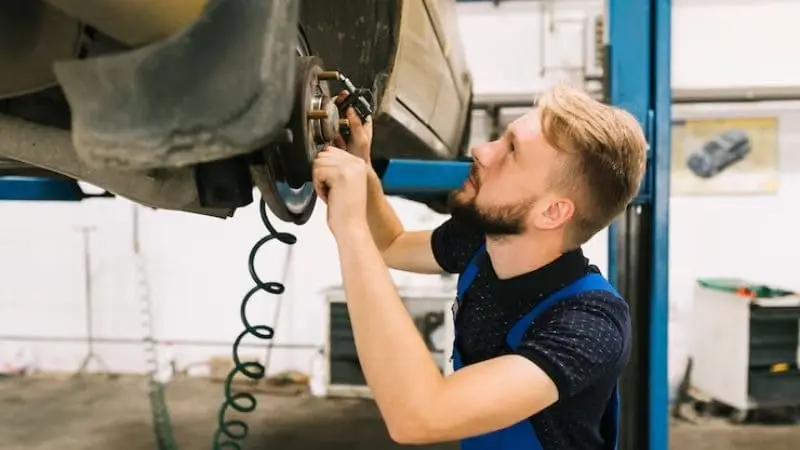
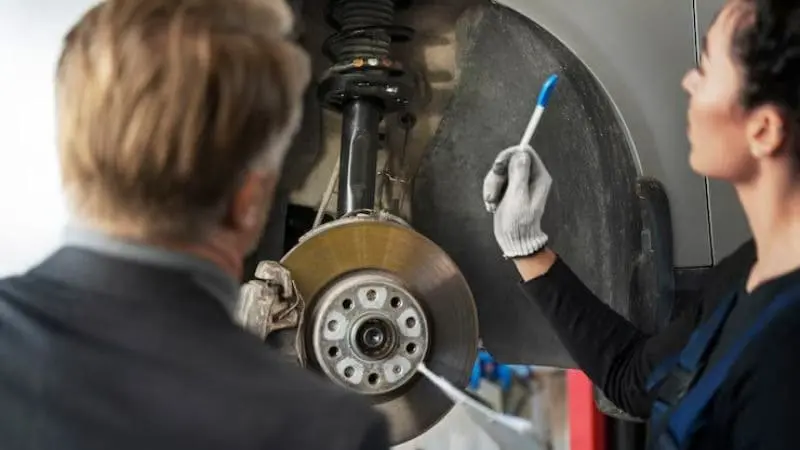
When you press the brake pedal, the pads clamp down on the rotors and slow down your vehicle. These rotors have metal surfaces that interact with the brake made of friction materials, which gradually wear out due to friction, heat, and dust particles, and create metal-to-metal contact. If you are hearing a grinding noise while braking, then the brake pads and rotors may now be interacting directly, affecting the safety of your braking system.
Therefore, it is essential to understand its core causes to avoid further damage and get it replaced on time by consulting the best car mechanics Perth. Before that, let’s explore the key reasons your brake pads and calipers are damaged and creating a grinding sound.
What Are the Symptoms Of Grinding Noise In A Vehicle?
When you hear grinding, it is a warning that your brake pads are severely worn out and need replacement. Here are some of the common causes that suggest immediate action to get it solved or replaced to avoid serious damage or accidents to your vehicles.
1. Worn-Out Brake Pads: The most highlighted cause of grinding noise while braking is the damaged or completely worn brake pads that initiate metal-to-metal interaction.
2. Damaged Rotors: Harsh braking or applying sudden brakes at high speeds can glaze your rotors, creating a hardened or shiny surface that prevents proper friction and reduces stopping power over time.
3. Small Rocks or Debris: The accumulation of small rocks, dirt particles, or debris on brake pads and calipers can increase friction and damage the braking system due to overheating, and cause grinding noise.
4. Faulty Calipers: The sticky or seized calipers can create uneven pressure, which can potentially damage your braking, causing a squealing sound, and you will need to consult the best mechanics Perth to get them replaced.
5. Stuck Wheel Cylinder: Similar to a sticky or seized caliper, if your wheel cylinder gets stuck, it continuously jams the brake and causes a grinding sound and jittery feeling.
6. Rust Buildup: Lack of lubrication can cause rust in your brake pads and calipers, which can produce a squealing sound as parts rub against each other.
7. Missing Hardware: A vehicle’s brake system is made with different important parts, and any missing components prevent proper adjustment, which can cause grinding noise while braking.
8. ABS System Activation: If your vehicle’s anti-lock braking system is activated, then it can produce grinding noise while causing vibration in the pedals.
Why Should You Not Ignore Grinding Noise While Braking?
When you hear this metal grinding sound, it is a clear indication to replace your car’s brake pads to avoid the risk of severe mechanical damage. Brake issues escalate quickly, and ignoring squeals can lead to the following risks.
1. Ignoring grinding noise while braking can reduce the stopping capabilities and safety of your vehicle. 2. Leaving the damaged rotors and calipers as they are for a long time can increase your repair bill. 3. In some severe cases, it may also cause complete brake failure, which can cause an accident. 4. t may also reduce the resale value of your vehicle. 5. Driving longer in this situation can lead to the failure of the anti-lock braking system (ABS system).
What To Do When You Hear a Grinding Noise While Braking?
If you notice a grinding noise while braking, you can perform a quick inspection and try to reach your nearest car repair shop Perth to get it repaired or replaced. Here are the steps you can follow to avoid further damage to your vehicle.
1. If your brake pads and calipers are damaged, you can drive your car for a short distance to reach the professional auto repair shop.
2.Avoid unnecessary driving if you can’t visit the certified mechanics at the current moment, and minimise unnecessary expenses.
3. Get an inspection of your vehicle’s brake fluid level, which is sometimes the main culprit of the damage.
4. The professional mechanics also look through the wheels to see whether the pads have thinned or the rotors have developed grooves.
5. After the full inspection, the professional vehicle diagnostic services provider recommends the right repair or replacement.
When you are experiencing a grinding noise while braking, conducting a DIY practice can accelerate the issue. Therefore, it is essential to seek a car brake specialist who uses advanced techniques and tools to inspect and repair your braking system. Here is how a professional mechanic helps you solve your braking issues in a cost-effective way.
1. The expert car mechanic conducts a thorough inspection of your braking system. 2. We utilise specialised tools and advanced technologies to diagnose and identify the exact cause of the grinding noise. 3. The professional measures the thickness of the pads, inspects rotors for wear or warping, and checks the calipers’ conditions and recommends repair or replacement. 4. We collaborate with the right autopart dealer and provide a reliable braking system at a reasonable price. 5. We may also provide the best car wash in Perth, which helps to clear the debris on the pads and improve the efficiency. 6. The professional mechanic even goes beyond regular maintenance service to keep your car running in good condition.
Tips To Prevent Grinding Noise While Braking
Brake noises can sometimes be unavoidable, but you can prevent costly issues and increase their longevity with regular care and maintenance. You can practice the tips below to prevent your brake system from damage and get your accessories replaced on time.
Get a full inspection of your vehicle’s brake system every 6 months or 6,000 miles with a professional car inspection service provider.
1. Avoid applying sudden braking more frequently when you are at high speed. 2. Don’t press your clutch pedal halfway if you are accelerating your car. 3. Keep your brake components clean from debris and stones. 4. Lubricate your brake pads and calipers occasionally to make them function well. 5. Address warning signs immediately and consult a professional general auto service provider to get rid of braking issues.
Final Words
Car brake problems are escalating issues that turn worse if not solved on time. So, it is recommended not to go for a long drive if you’re experiencing grinding noise while braking. Instead, contact a professional brake specialist using a mobile car care service to get the mechanics to your home and get your braking system replaced as soon as possible.
Q. 1 Why does my car make a grinding noise when braking?
Answer 1:
Your car’s brake pads or calipers might have worn out, rusted, or developed debris, which can potentially produce grinding noise while braking.
Q. 2 Is it safe to drive with grinding brakes?
Answer 2:
No, it is not at all safe to drive when your brakes are producing a grinding noise, as it can impact the wheel alignment, cause brake failure, or lead to engine damage, which may cause an accident.
Q. 3 What parts are likely damaged when brakes grind?
Answer 3:
A brake grind can potentially damage rotors or disks, brake pads, calipers, shims, and wheel bearings.
Q. 4 What causes brake pads to wear out quickly?
Answer 4:
Your driving habit is one of the main highlights behind the worn brake pads, as stopping your car with full force can cause health issues and damage your vehicle’s pads. Additionally, debris accumulation, rust formation, and lack of lubrication of the calipers can quickly damage brake pads.
Q. 5 Why does grinding sometimes happen only at low speed?
Answer 5:
Worn brake pads make metal-to-metal contact that scrapes the rust and debris that can be audible and felt even at low speeds.
Q. 6 Can ignoring grinding brakes damage other systems?
Answer 6:
Yes, ignoring grinding noise can damage the entire braking system, including rotors and calipers, or impact the wheel alignment, which can cause costly repair or potential accidents.
Q. 7 What warning signs appear before brakes start grinding?
Answer 7:
You can feel a high-pitched squealing or screeching noise that is produced due to metal-to-metal contact between rotors and calipers. You can even experience the long stopping distance, soft and spongy pedals, car pulling to one side, vibrations while braking, and reduced pad thickness.