Modern cars depend on electronics, sensors, and advanced engine systems. Ignoring small warning signs might result in costly repairs. In this context, regular diagnostic tests through a professional car mechanic help you in identifying hidden problems before they become serious breakdowns. It is vital to know the top 10 car diagnostic checks to solve issues like producing strange noises, showing dashboard warning lights, or losing performance to the safety, dependability, and roadworthiness of your car.
Professional car diagnostic service providers use advanced equipment to identify engine issues, battery problems, fuel system difficulties, and electrical failures early on. This blog will thoroughly discuss the top car diagnostic checks every car owner should know, why these inspections matter, and how they assist in keeping your car safe, secure, and functioning smoothly.
Why Are Car Diagnostic Checks Important?
Regular vehicle diagnostic services enable mechanics to identify issues that might cause damage before they get worse. The mechanical problems usually start small but worsen over time if not checked.
Regular diagnostics offer several advantages, such as:
1. Preventing engine failures. 2. Extending the life of automobiles. 3. Lowering the cost of long-term repairs. 4. Increasing fuel efficiency. 5. Early detection of hidden engine issues. 6. Improving road safety.
Professional auto engine diagnostics also contribute to the preservation of your car’s resale value by keeping your car in good condition.
Top 10 Car Diagnostic Checks Every Driver Must Know
1. OBD-II Engine Diagnostic Scan
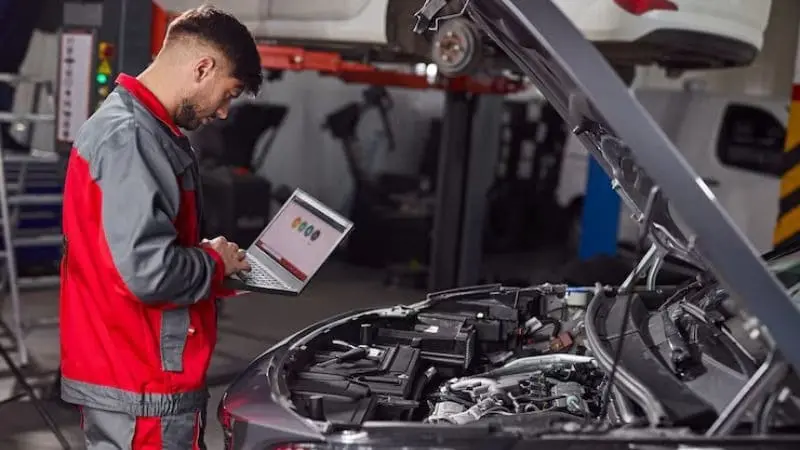
It is one of the most important steps in the top 10 car diagnostic checks. The modern car has an onboard diagnostic system that monitors engine performance, emissions, fuel systems, and electrical systems. If there are any errors, the onboard diagnostics system records trouble codes.
It detects: – Engine misfire. – Faulty sensors. – Emission issues. – Fuel system error. – Faults in ignition.
This is typically the initial step in professional engine diagnostics services.
2. Battery Charging System Check
The most common reason for failures is a weak battery. You might already be aware of dead car battery signs if your car is facing issues when starting or has dim lights or clicks when you turn on the ignition.
Mechanics inspection: – Performance of alternators. – Voltage of the battery. – Condition of the starter motor. – Capacity of charging. – Battery terminal corrosion.
The purpose of engine oil is to lubricate internal parts and avoid overheating. This can significantly affect the operation of your engine if the oil becomes dirty or too low.
When testing a car, mechanics consider the following: – Oil contamination. – Level of oil. – Oil leakage. – Pressure of oil.
Regular oil testing is a fundamental part of preventive car service Perth maintenance.
4. Coolant System Inspection
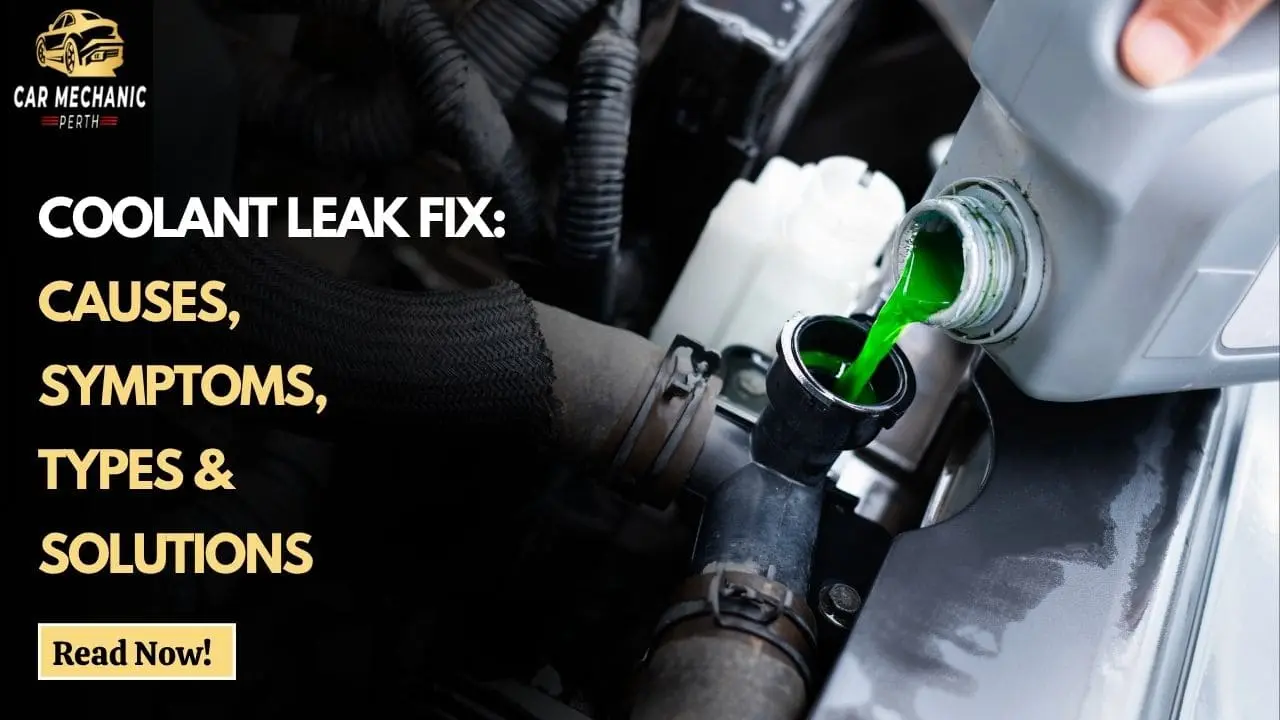
The cooling system ensures that your car’s engine does not overheat. Insufficient coolant or damaged hoses will cause engine failure.
Mechanics check: – Status of radiator. – Performance of the cooling fan. – Level of coolant. – Water pump operation. – Leaked hoses.
Failing to address overheating problems may result in costly car engine repairs in Perth.
This test is usually included in advanced vehicle diagnostic services.
6. Compression Test
The compression test would assist in diagnosing the engine cylinders’ internal condition. Poor compression often points to internal damage in the engine.
Neglecting issues with the brakes could lead to accidents and expensive repairs.
8. Tyre and Wheel Inspection
Fuel economy, handling, and safety are directly affected by tyres.
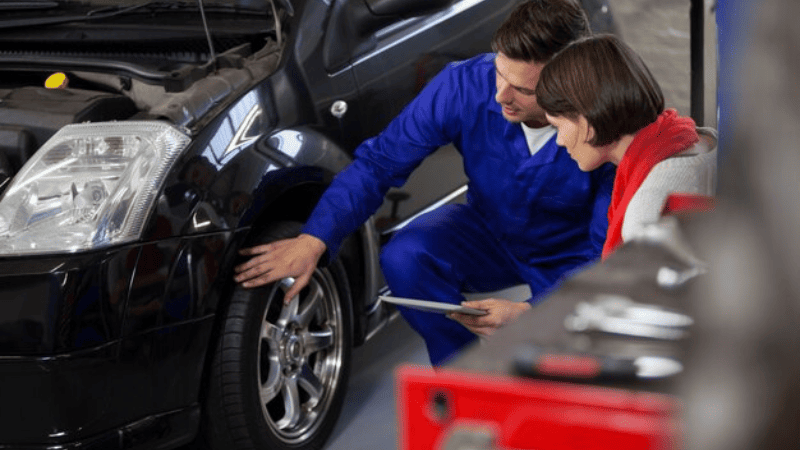
Mechanical inspection: – Uneven tyre wear. – Tyre pressure. – Alignment of wheels. – Balance of suspension. – Depth of tread.
Frequent tyre checks enhance driving stability and avoid blowouts as well.
9. Electrical System Check
Modern cars depend a lot on electrical systems and sensors. An electrical connection problem can lead to dashboard warnings, issues starting, or performance problems.
Professional car diagnostic service companies have the right equipment for finding electrical problems.
10. Visual Mechanical Inspection
A thorough visual inspection is considered one of the most important aspects of the Top 10 Car Diagnostic Tests. Skilled technicians will be able to spot issues that may not necessarily be detected by the computer system.
These include checking: – Damaged belts. – Fluid leaks. – Loose components. – Cracked hoses. – Worn engine mounts.
Visual inspections assist in the early detection and prevention of hidden mechanical faults.
What Warning Signs Mean Your Car Needs Diagnostics?
Neglecting some signs might cause costly damage and ultimately result in breakdowns. In those situations, you need to schedule a diagnostic inspection if you notice the following:
1. Trouble starting the engine. 2. Dashboard warning lights. 3. Poor fuel efficiency. 4. Smells of burning. 5. Engine overheating. 6. Strange sounds. 7. Loss of power.
How Frequently Should You Get Diagnostic Checks?
Most mechanics suggest diagnostic checks need to be performed:
1. Before taking long road trips. 2. During scheduled servicing. 3. Upon noticing warning lights on the dashboard. 4. On an annual basis or 6 to 12 months for older cars.
Can Major Breakdowns Be Prevented by Diagnostic Checks?
Yes, frequent diagnostics assist in identifying minor issues before they develop into major mechanical breakdowns. For example:
Small issue
Possible major breakdown
Low coolant
Engine overheating
Faulty sensor
Engine performance damage
Weak battery
Complete starting failure
Worn brake pads
Brake system failure
Oil leakage
Severe engine wear
Preventive diagnosis is always less expensive than an emergency repair service.
Why Professional Car Diagnostics Matter?
Some drivers use home diagnostic scanners, while professional technicians use advanced tools and practical knowledge to deliver precise checks.
Best car mechanics Perth workshops are able to:
1. Identify hidden flaws with accuracy. 2. Save money and time. 3. Offer guidance on long-term maintenance. 4. Avoid making the wrong repairs. 5. Improve the safety of vehicles.
Conclusion
Regular inspection and maintenance services assist in helping to prevent high-cost repairs and breakdowns on the road. They perform the car diagnostic checks to support in identifying hidden issues early, enhancing safety aspects. These checks also help in keeping the car running smoothly for a long time as well.
Experienced car mechanics in Perth offer dependable engine diagnostic services through inspections, with professional repair solutions for all Perth car makes and models. Choosing the best car mechanics Perth for professional assistance is crucial if you are facing engine issues, warning lights, or unexpected performance problems.
FAQ’s
Q. 1 What is an engine diagnostic check in a car?
Answer 1:
An engine diagnostic check utilizes advanced tools and software to determine issues within the engine, sensors, electrical system, and other car components.
Q. 2 Can engine diagnostics prevent major car breakdowns?
Answer 2:
Yes, identifying small issues early on can assist in avoiding major engine failures, breakdowns, and costly repairs.
Q. 3 Should I get diagnostics if the check engine light turns on?
Answer 3:
Yes, the check engine light usually warns of unseen engine issues or faulty sensors that need checking as soon as possible.
Q. 4 How long does an engine diagnostic test take?
Answer 4:
The duration of the standard engine diagnostics usually takes 30 minutes to 1 hour, depending on the problem.
Q. 5 How much does an engine diagnostic check cost?
Answer 5:
Costs vary depending on the training workshop and car models; however, common diagnostics might be as cheap as regular checks or as expensive as complex tests.