The exhaust system on your car not only helps to control the noise but is an important part in performance, efficiency, and environmental protection. Healthy exhaust means that the dangerous gases are filtered and released without any harm, but once it starts to malfunction, the health and safety of your vehicle are in danger.
Regrettably, most drivers do not pay attention to the minor signs of an exhaust problem until the problem turns dangerous and expensive. The knowledge of the initial symptoms of exhaust system problems can allow prompt car exhaust repair measures, prevent costly fixes, and keep your vehicle running well.
The Function of Your Car Exhaust System
The exhaust system has a simple yet important task: to direct the harmful gases out of the engine and car, in addition to minimizing emissions and noise. It is a complicated system of pipes, sensors, and other devices, such as a catalytic converter, muffler, oxygen sensors, etc., that ensures the car runs well and meets the environmental standards. However, similar to any car system, the exhaust system is not indifferent to wear and tear. Knowing when something is wrong mechanics in Perth helps in preventing additional harm and ensuring that your car is safe and effective.
Also Read: Car Exhaust Maintenance Tips: Everything You Should Know
Signs of Car Exhaust Leaks and System Malfunctions
Being aware of the symptoms of a faulty exhaust system helps in saving money on expensive repairs and avoiding possible health threats. Let’s examine the main signals that may show that your car requires exhaust repair and maintenance.
1. Failing of the Catalytic Converter

The catalytic converters are defective because of contamination, overheating or physical damage. The activation of the check engine light is one of the most frequent signs of catalytic converter problems. The onboard diagnostics system in the vehicle can detect abnormal values of the oxygen sensors or other problems with the catalytic converter.
An ineffective catalytic converter has the potential to affect the functioning of the engine. You can observe that there is a reduction in acceleration, power, and general engine responsiveness. When your car appears slow or is hesitant to accelerate, this might be an indicator of a catalytic converter malfunction.
If you realize that the efficiency of your car has reduced greatly in terms of fuel consumption, it could be connected with the catalytic converter problems. Moreover, catalytic converters overheat because of limitations or obstructions to inner damage or debris collection.
2. Loud or Unusual Noises
A well-operating exhaust system ensures that your car is running quietly. But once there is a leak or a break in the exhaust pipes, muffler or manifold, you will probably hear it. You could hear some deep rumbling or roaring sound, particularly when accelerating. A broken muffler generally makes a sound that is higher than usual, whereas a crack in the exhaust manifold or pipe might make a tapping or hissing noise.
The sound is different in certain instances, when the speed or engine load. Ignoring these noises not only damages your comfort, but it is also an indication that there is a possible leakage of harmful gases around the engine bay that may be hazardous. Solving the issue at the initial stage with the best car mechanics in Perth avoids additional wear of exhaust parts and possible safety issues.
3. Excessive or Smelly Exhaust Smell
An exhaust system that works, built in the right way, would push the toxic fumes outside the cabin via the tailpipe. But when you can smell exhaust gases in your car, it is a red flag. This may imply that there is a leakage in the line of exhaust, in the area of the manifold, gasket, or muffler. The exhaust fumes also have carbon monoxide gas, invisible, odorless, and even fatal.
When this gas finds its way to the cabin of your vehicle, it is capable of making you feel dizzy, nauseous, or feel a headache or, in the worst case scenarios, unconscious. The odour is sometimes not exhaust gas but, instead, a unique odour such as rotten eggs, which is a sign of a malfunctioning catalytic converter. It is this element that transforms the toxic gases into less toxic emissions, and when it is compromised, the sulfur compounds escape, creating that unmistakable odour. Any unusual smell of exhaust should be considered an emergency. Pull up, air the car, and seek professional exhaust repair in Perth help at once.
4. Oxygen Sensor Malfunction
Oxygen sensors detect the amount of oxygen in exhaust gases and give feedback to the engine control unit to alter the air-fuel mixture. One of the most popular indicators of oxygen sensor malfunction is an illuminated check engine light on the dashboard. The engine control unit can notice the abnormal readings of the oxygen sensor and turn on the check engine light to warn the driver.
A faulty oxygen sensor interferes with the correct mixture of air and fuel in the engine, resulting in reduced fuel consumption. When your gas mileage suddenly reduces and/or you have to refuel more often than normal, the possible condition is a problem with the oxygen sensor. A faulty oxygen sensor has the potential to add to an increase in the level of emissions, such as the amount of pollutants emitted, such as carbon monoxide and nitrogen oxides. This may result in failing the emissions test.
5. Decreased Fuel Efficiency
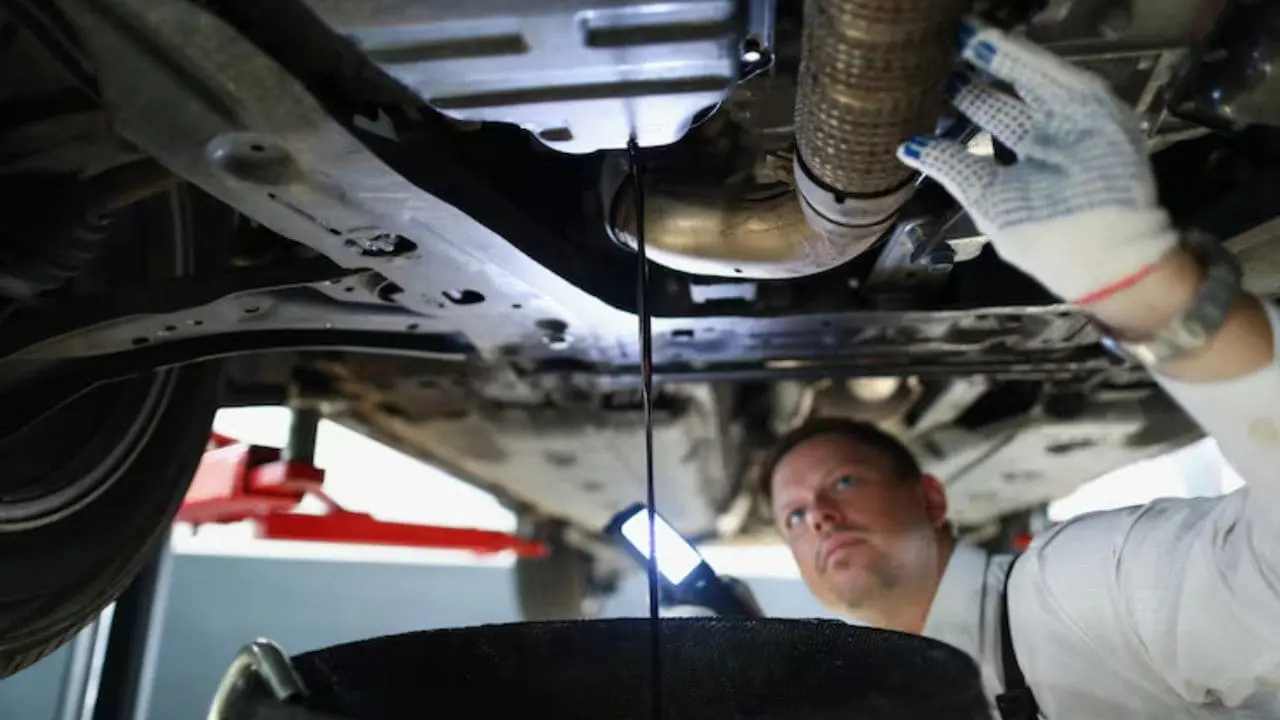
Sudden loss of fuel efficiency is one of the first and most visible signs of an exhaust issue. The exhaust system assists in maintaining an appropriate air-fuel ratio through the regulation of the exhaust gas removal. When it is leaky or clogged, your engine must lab harder to pump out gases and pump in new air. The result of this imbalance is an incomplete combustion of fuel, implying that more fuel is consumed to generate the same amount of power.
You are forced to make more frequent visits to the gas station or observe your mileage per liter decreasing consistently. The bad oxygen sensor or blocked catalytic converter is the usual suspect in such cases. When you see that your fuel economy is steadily declining, it is always prudent to consult car mechanics in Perth immediately before the problem spreads to other parts of the engine, such as the engine or emission control system.
Conclusion
The exhaust system of your car is not just a system of pipes but a complicated system that influences the performance of your car, fuel consumption, and the safety of your passengers. Early indications of failure to act appropriately are detected through loud noises, low fuel consumption, vibrations, or exhaust smells; hence, acting in time before the situation gets out of hand becomes easier.
Overlooking the problem with the exhaust system may result in expensive maintenance processes, the failure of the examination of emissions, or even the health hazards posed by carbon monoxide. If you observe any of these signs and problems, you may contact a professional and the best mechanic in Perth. A good way to maintain your car’s exhaust system is to consult a car exhaust repair shop in order to help you avoid serious problems, increase the lifespan of the exhaust system parts, and help to create a cleaner, safer driving experience.
Also Read: White Smoke From Your Car Exhaust – Top Causes and Fixes
FAQs
1. Will exhaust issues impact the fuel consumption of my car?
Answer: 1
No doubt, an inefficient exhaust system is very inefficient in fuel consumption. Leaks, obstructions, or defective oxygen sensors interfere with the air-fuel ratio so that the engine burns more fuel to sustain power. Early correction of exhaust problems can ensure that your car gets back to normal combustion and increase its mileage.
2. What will happen when I neglect exhaust system problems?
Answer: 2
Neglecting exhaust issues may cause inefficient fuel economy, excessive noise, inability to pass an emissions test, and even engine damage. More importantly, exhaust gas may spill onto the passengers and subject them to carbon monoxide, which is even harmful in lower concentrations.
3. Is weather a determining factor in the life of the exhaust system?
Answer: 3
Yes. Halt, damp, and humid weather increases rust and corrosion of the exhaust pipes and mufflers. To prevent moisture and salt accumulation that may minimize the life of the exhaust system, it is important to wash the undercarriage regularly, particularly during winter or in coastal regions.