The presence of an overheating engine is the most dangerous scenario that a driver may encounter. You are on the highway, the temperature gauge begins to increase, steam starts to escape under the hood, and all of a sudden, it feels like driving a snail. It is a situation that causes panic, particularly when overheating results in serious damage to the car engine, costly repairs, and even slacking.
But the good news is that engine overheating normally provides the warning signs, and the factors are avoidable. Regardless of whether you are driving a petrol or diesel engine, old or new, knowing the cause of engine overheating enables you to take better care of the car and behave in an emergency.
This step by step guide separates the most frequent reasons, warning symptoms, immediate steps, and the parts necessary to check if the engine is overheated during the driving process.
The Basics of Engines Overheating
Car engines are natural heat generators. The temperature of the combustion engines is extreme and controlled with the help of an adequate cooling system. Once this cooling system breaks or cannot cope, heat accumulates more quickly than the device can be removed, and causes overheating.
The radiator, coolant, thermostat, water pump, radiator fan, and hoses are the fundamental parts that sustain engine temperature. The slightest malfunction in this system may interfere with temperature control. There are other external forces, such as weather, driving habits, and load, which may also cause overheating.
It is best to determine the red flags before getting into the ingredients to examine.
What to Examine in Overheating of the Engine
The following are the important elements and aspects you need to examine. These are the leading causes of overheating of engines while driving.
1. Check the Coolant Level
One of the major causes of engines overheating is low coolant. Coolant takes away heat from the engine and releases it through the radiator. When the level is lower than the needed mark, the engine is not able to control the temperature effectively. Only after the engine is cooled, open up the hood. It is dangerous to open the radiator cap of a hot engine because the steam is subject to pressure and can cause acute burns.
When it is safe, test the coolant tank-when it is below the minimum mark, fill it up with either a 50:50 mix of coolant and water or the type of coolant that is prescribed by your car manufacturer.
2. Inspect Coolant Leaks

One of the primary causes of overheating is coolant leakage. Such leaks are part of the cooling system, including hoses and clamps, radiator, water pump, or the heater core. Leakage refers to the loss of coolant and failure to circulate as intended, thereby causing ineffective heat absorption and an increase in engine temperatures.
Puddles of green, orange, or pink liquid under the car are signs of a leak of the coolant; its sweet smell and dripping are seen on the hoses and on engine parts. In case of a leakage, trace the path of coolant lines and examine the connections to find wet spots.
Certain leaks might not manifest themselves until the engine is hot and pressurized. Leak repair can include such straightforward repairs as tightening clamps, changing hoses, although in other instances, the radiator or water pump will require replacement. Timely car engine repair in Perth assists in avoiding serious damage to engines.
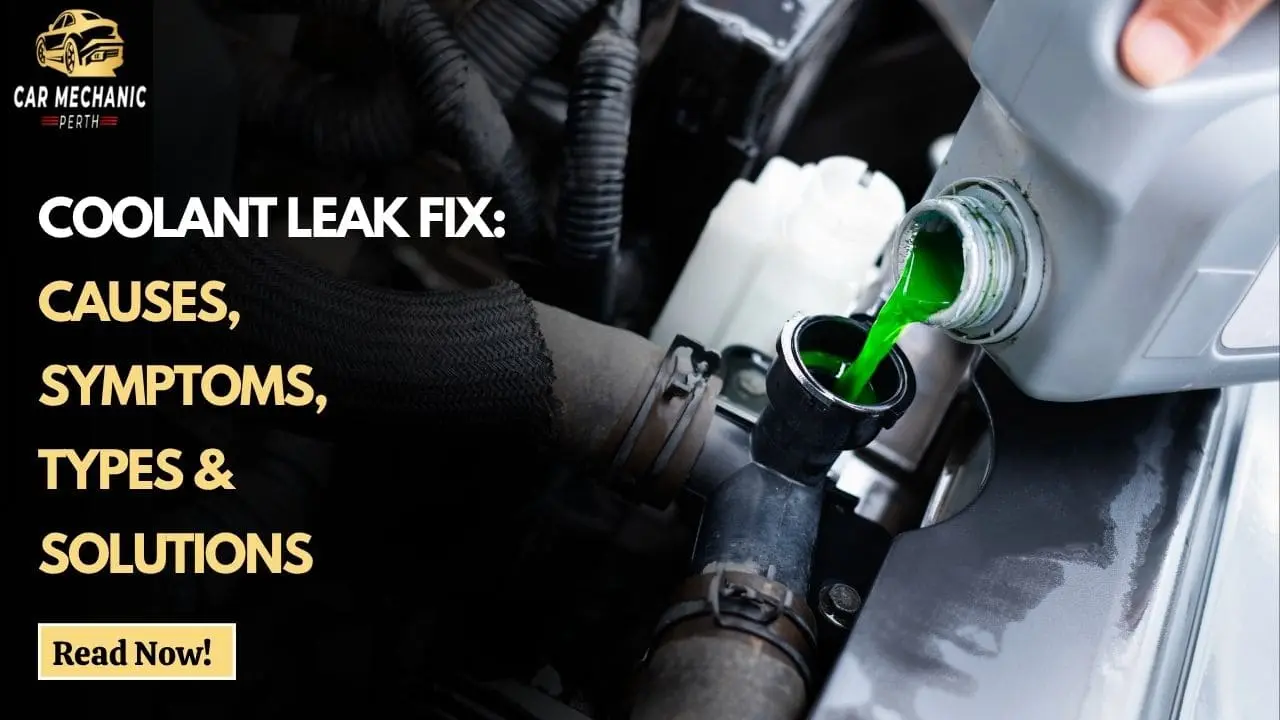
Also Read: Coolant Leak Fix: Causes, Symptoms, Types & Solutions
3. Checking Radiator and Radiator Cap
The radiator is important in cooling the warm coolant. Insects, dust, and debris may eventually block the radiator fins, decreasing cooling efficiency and airflow. A clogged radiator usually leads to high engine temperatures, particularly when making long journeys or in warm conditions.
Moreover, the radiator cap plays the role of ensuring that the cooling system remains under high pressure. A defective cap may boil and spill over, which may result in overheating. Check the cap against damage or wear, and ensure it is well closed. External cleaning of the radiator and regular flushing through professional mechanics in Perth assists in the maintenance of optimum functioning.
4. Check the Thermostat
The thermostat controls the supply of coolant to the engine. When properly operating, it closes and opens at certain temperatures to ensure optimum engine temperature. The problematic thermostat is stuck (open or closed) and causes overheating. When it remains closed, the coolant will not circulate, and the temperatures will increase rapidly.
In case it remains open, the engine will not run hot enough at first, but will possibly overheat because of poor temperature control. Problems with thermostats are typically incurable; thus, availing engine diagnostic services is advisable.
5. Inspect the Water Pump
The cooling system has a water pump that continuously circulates coolant to the radiator and the engine. If the water pump fails because of worn bearings or damaged impellers or leakage, the cooling flow is interrupted and results in overheating. The effects of having a defective water pump include leakage of coolant around the engine front, whining or grating sounds, and corrosion evident around the pump housing.
When the water pump ceases to work completely, the engine temperature may increase in several minutes. The water pump usually operates in conjunction with the timing belt or serpentine belt; so, it is important to replace it from auto mechanic in Perth on time. Lack of attention to the pump causes a total engine stop.
6. Check the Engine Oil Levels
Engine oil is not only used to provide lubrication, but assists in heat absorption. Due to low oil levels, that causes an increase in the friction between parts of the engine, resulting in additional heat generation. When your temperature increases and the oil warning lights show, stop at once. Regular oil checking in a car diagnostic service and replacing it at intervals will help in avoiding cases of overheating. The wrong oil grade may also influence the temperature control, particularly during extreme weather.
7. Consider Head Gasket Issues
One of the worst causes of engine overheating is a blow head gasket. The head gasket seals the engine block and cylinder head, so it can’t be mixed up with coolant and oil. On failure, the coolant spills onto the combustion chamber or it combines with engine oil, leading to excessive overheating that damages the engine. They manifest themselves in the form of white exhaust, milky oil, excessive loss of coolant, or radiator bubbles.
A broken head gasket cannot be repaired, as it is frequently quite expensive. Its early detection helps to prevent complete engine failure.
Conclusion
Overheating of the engine during driving is one of the warning signs that should not be overlooked. Depending on low coolant levels and malfunctioning thermostats, broken radiators, and broken water pumps are the causes of faults. Knowing what to inspect will enable you to diagnose issues in their early stages and avoid spending a lot of money fixing your car. The best method of ensuring that your engine is cool and functioning properly is consulting car engine services in Perth, avail timely repairs, and cautious driving. In case overheating is a frequent occurrence, seek the services of a professional engine diagnosis centre in Perth. Your engine would appreciate it.
Also Read: Everything You Need To Know About Car Diagnostic Tests
FAQs
1. Is it possible to drive the car with an overheating engine?
Answer: 1
No, you are not supposed to drive any longer. Operating an overheating engine may lead to serious damage to the head gasket, pistons, and cylinders.
2. Why does my car overheat when the AC is on?
Answer: 2
When your car is overheating and the AC is turned on, then the radiator or cooling fan is not operating effectively. AC adds more strain on the cooling system, and when the airflow is limited or the fan is feeble, the temperatures elevate promptly.
3. What is the duration of opening the radiator cap after overheating?
Answer: 3
You are advised to wait 30 minutes or until the engine cools down. When the radiator cap is opened and the engine is hot, boiling coolant may spurt up and burn the user.