One of the most significant safety systems in modern vehicles is the Anti-Lock Braking System (ABS). ABS is designed to ensure the vehicle’s steering control is not lost in sudden braking, particularly on slippery or uneven roads, to prevent the wheels from locking up. Once your system begins to fail, the performance of your vehicle’s braking system is jeopardized, and the overall safety of your car is compromised.
Neglecting the early warning signs may result in extended stopping distances, loss of control, and expensive repairs. Knowing the symptoms that presuppose the necessity of the ABS Brake Repair Service may assist you in preventing hazardous driving conditions, responding in time, and saving your vehicle. The prevalent indicators that your ABS requires a professional auto mechanic Perth.
Warning Signs Your Car Brakes Require Urgent Repair
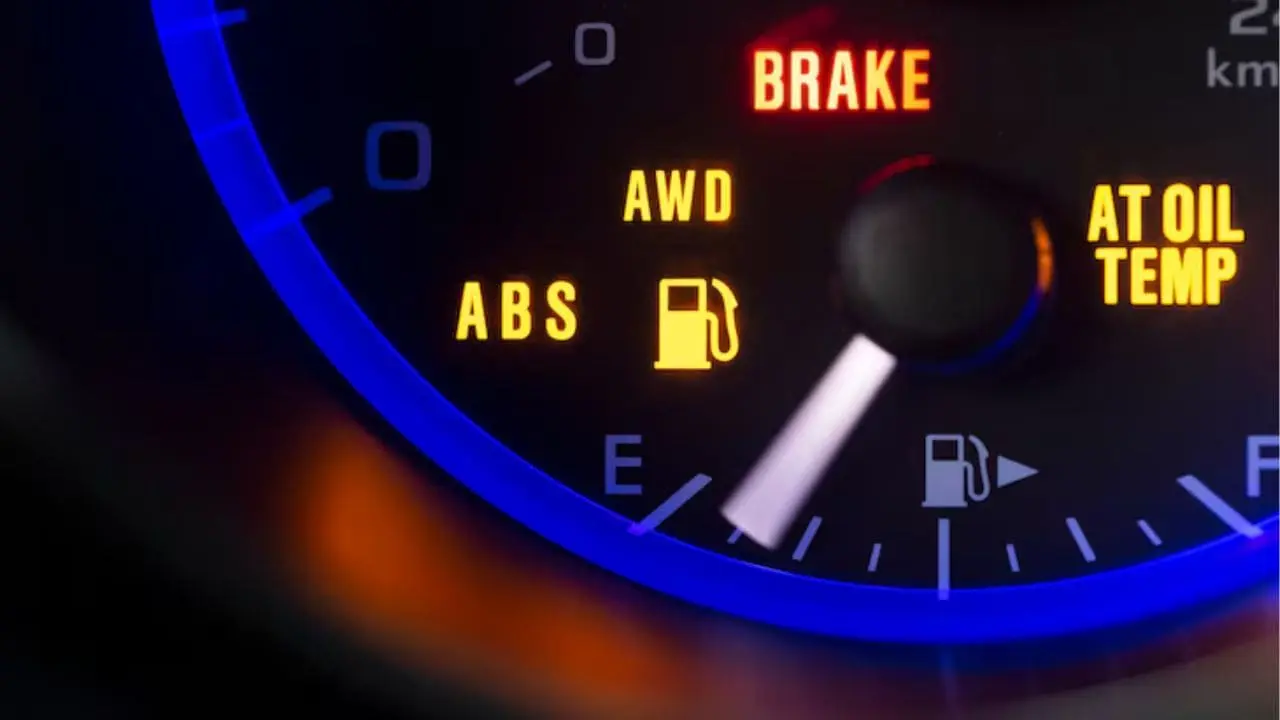
1. ABS Warning Light Stays On
The most obvious indicator that you require an ABS Brake Repair Service is when the ABS warning light on your dashboard starts blinking. This light typically turns on when you open your car, indicating that the system is performing a self-check. When it remains on or lights up during driving, then this indicates that the system has detected a fault.
The problem may be connected to broken wheel speed sensors, faulty wiring, a defective ABS unit, or a lack of brake fluid. Your conventional brakes may still function, but you will also lose the use of the ABS feature, which could risk locking your wheels in an emergency braking situation.
Also Read: Diagnosing And Repairing Car Brake Issues: A Comprehensive Guide
2. Pedal on the Brake Resistant or Unresponsive
The proper braking system has consistent pedal responsiveness. When your brake pedal feels unusually stiff, squishy, or unresponsive, it may indicate an ABS issue. The failure of an ABS pump or hydraulic valve may disrupt the correct distribution of brake pressure. This symptom is commonly felt in sudden braking when the pedal does not feel the expected pulsation.
3. Wheels Lock-Up on Hard Braking
The primary objective of ABS is to prevent the wheels from locking up. If you notice that braking is difficult, the wheels are becoming locked, particularly on wet or loose surfaces, it is a good indication that the ABS is not functioning correctly. The given symptom frequently indicates a problem with the ABS pump, control module, or wheel speed sensors. The lack of ABS functions renders your car lacking traction control in emergency braking, thus necessary to consult a car brake repair shop to restore your safety.
4. Traction Control Problems or Speedometer
ABS systems exchange data on wheel speed with other automotive systems, including traction control and speedometers. When faced with an unstable speedometer, faulty traction control, or brakes, it could be a typical ABS sensor fault.
These systems are interrelated, and neglect of ABS faults can affect the overall vehicle stability. With an extensive car inspection service, system faults are diagnosed, and communication between the parts is reinstated.
5. Unusual Noises When Braking
During braking, grinding, clicking, or buzzing is indicative of ABS issues. Although a certain amount of soft sounds is standard when activating ABS, constant or loud sounds are not. An ABS pump failure, broken tone rings, or worn-out parts in the hydraulic unit may result in abnormal sounds. An ABS Brake repair service scheduled with the mechanics in Perth gives initial evidence that any unusual noise would prevent excessive damage to the braking system.
6. No ABS in Case of Emergency Braking
ABS is engineered to become active when braking hard as a result of a fast pulse of brake pressure. If you notice that your wheels are locking up or skidding when you suddenly stop, it is possible that the ABS is not functioning correctly.
This symptom is particularly hazardous in wet or slippery weather, and ABS is crucial in ensuring the vehicle remains controlled. This is typically caused by a failure in the sensor in the wheels or the ABS control module, which requires a professional diagnosis from a car brake specialist.
7. Unpredictable Braking Response
When braking in your car is inconsistent, as it is strong on certain occasions and weak on others, it may indicate that there are ABS faults present in your car that only intermittently. The system may also malfunction due to electrical problems or non-functioning sensors, or degraded wiring.
Lack of consistency during braking is hazardous, especially during a traffic jam or during an emergency. A complete brake servicing by mechanics in Perth, including the ABS, guarantees good and predictable braking behaviour.
8. Longer Stopping Distance
One of the most warning indications is a noticeable reduction in stopping distance, which is a serious sign of a compromised braking system, including ABS. At the same time, although ABS does not necessarily reduce stopping distances on any surface, it significantly enhances control and braking efficiency.
When your car takes longer to brake, or you sense that your braking is less responsive, there is a possibility that internal ABS faults are impacting the control of brake pressure. To ensure optimal braking performance and prevent accidents, consider booking an ABS Brake Repair Service.
Also Read: How Much Car Clutch Replacement Cost In Australia?
The Expectations during ABS Brake Service
A car mechanic will carry out the first step, which involves scanning the vehicle’s onboard diagnostic system to identify the fault codes. Then, the wheel speed sensors, wiring, hydraulic parts, and the ABS control module are checked.
Depending on the problem, it is repaired by replacing the sensor, recalibrating the system, repairing the pump, or servicing the entire ABS module. Regular check-ups and ABS Brake Repair Services are timely and will ensure that your braking system is in good working order.
Conclusion
ABS of your car is a crucial part of ensuring your safety on the road. The above-mentioned symptoms should not be overlooked, which include warning lights, abnormal noises, longer stopping distances, and skidding. Early detection of such signs and a visit to a professional mobile auto repair service for ABS Brake Repair may ensure that money is saved on repairing the damaged parts, improve driving safety, and maintain the desired performance of your vehicle. You should schedule an inspection if you experience any of these symptoms. An ABS that is well-maintained is not only a convenience, but also a very important safety feature, which keeps you and your passengers, as well as all other road users, safe.
FAQ’S
1. How often should my ABS be checked?
Answer 1:
The ABS must be inspected at least once a year during a regular brake inspection.
Q. How much does ABS repair usually cost?
Answer 2:
The cost of ABS repair depends on the nature of the problem, with minor sensor replacement costs being less expensive than the more costly module repairs. An appropriate diagnosis is used to arrive at the specific price.
Q. What happens to ABS performance if brake pads are worn out?
Answer 3:
The pads of the brakes may become worn, decreasing overall braking efficiency and affecting the ABS response. Although the ABS may sometimes continue to operate, loss of performance and safety can occur.
Q. Will my car fail a roadworthy inspection if ABS isn’t working?
Answer 4:
Yes, in most areas, an ABS that fails, a light indicating failure, or a lit ABS failure light will result in a failed roadworthy certificate.
Q. How long does an ABS repair service take?
Answer 5:
The majority of ABS repairs take several hours based on the complexity of the problem and the availability of parts.